The Incandescent Light Bulb is one of the most iconic inventions in human history. For over a century, it illuminated homes, offices, and streets, transforming the way we live and work. Although modern lighting options like LED and CFL have taken center stage, the incandescent light bulb still holds a unique place in our daily lives.
In this comprehensive guide, we’ll explore how the incandescent light bulb works, its fascinating history, advantages and disadvantages, real-life applications, and why it continues to be relevant even in today’s energy-efficient world.
What Is an Incandescent Light Bulb?
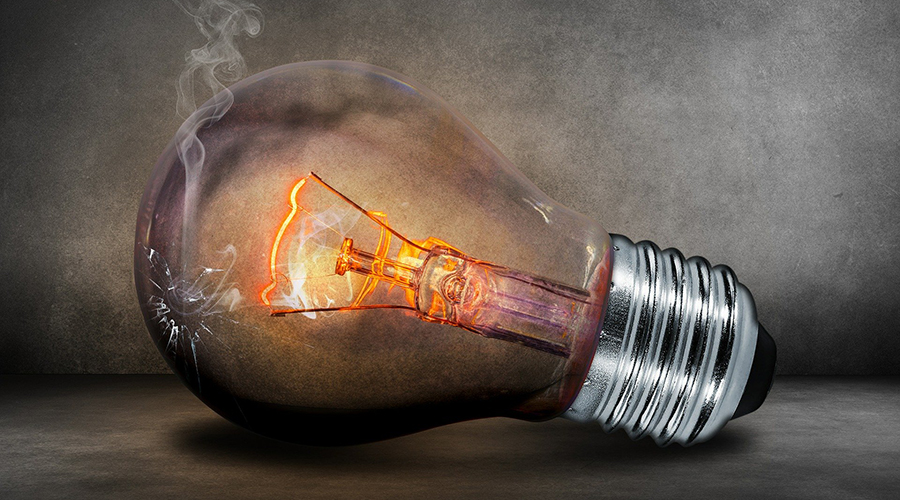
An incandescent light bulb is a type of electric light that produces illumination by heating a thin wire filament until it glows. The term “incandescent” literally means “emitting light as a result of being heated.”
Inside the bulb, a tungsten filament is enclosed within a glass chamber filled with inert gas or a vacuum. When electricity passes through the filament, it heats up to extremely high temperatures — typically around 2,500 to 3,000 degrees Celsius — producing visible light.
Despite its simplicity, this invention changed the course of human civilization.
The History of the Incandescent Light Bulb
While Thomas Edison is often credited with inventing the incandescent light bulb in 1879, the journey to practical electric lighting involved many inventors.
Early Developments
- In the early 1800s, Humphry Davy experimented with electric arc lamps.
- Several inventors, including Joseph Swan in the UK, worked on filament-based lighting.
- Edison’s major breakthrough was creating a long-lasting filament and developing an entire electrical distribution system.
By the early 20th century, the incandescent light bulb became widely available and affordable. It quickly replaced gas lamps and candles, offering a safer and more reliable light source.
Real-Life Impact
Imagine cities like New York or London in the late 1800s. Streets once lit by gas lamps suddenly glowed with electric light. Businesses could stay open longer. Factories increased productivity. Homes became safer at night.
The incandescent light bulb didn’t just provide light — it extended the human day.
How Does an Incandescent Light Bulb Work?
Understanding how an incandescent light bulb works is surprisingly simple.
Step-by-Step Process
- Electricity flows through the bulb’s metal base.
- The current travels to the tungsten filament.
- The filament resists the electrical current.
- Resistance causes the filament to heat up intensely.
- The hot filament glows, producing light.
The glass enclosure prevents oxygen from reaching the filament. If oxygen were present, the filament would burn instantly.
Key Components of an Incandescent Light Bulb
To better understand this classic lighting device, let’s break down its components:
1. Glass Bulb
Protects the filament and maintains a controlled environment.
2. Tungsten Filament
The heart of the bulb. Tungsten is used because it can withstand extremely high temperatures without melting.
3. Inert Gas or Vacuum
Prevents oxidation and prolongs filament life.
4. Metal Base
Allows the bulb to connect securely to a socket and conduct electricity.
Each component plays a crucial role in ensuring the bulb functions effectively.
Advantages of Incandescent Light Bulbs
Despite being considered outdated by some standards, the incandescent light bulb offers several benefits.
1. Excellent Color Rendering
Incandescent bulbs produce a warm, natural light with a Color Rendering Index (CRI) close to 100. This means colors appear vibrant and true to life.
For example, photographers and artists often appreciate incandescent lighting because it renders skin tones beautifully.
2. Instant Full Brightness
Unlike some CFL bulbs, incandescent bulbs reach full brightness instantly when switched on.
3. Low Initial Cost
They are inexpensive to purchase, making them accessible to nearly everyone.
4. Dimmable Compatibility
Most incandescent light bulbs work seamlessly with dimmer switches without requiring special configurations.
Disadvantages of Incandescent Light Bulbs
While they have strengths, incandescent bulbs also come with limitations.
1. Energy Inefficiency
Only about 10% of the energy consumed by an incandescent light bulb is converted into visible light. The rest is released as heat.
This makes them significantly less energy-efficient compared to LED bulbs.
2. Short Lifespan
An average incandescent light bulb lasts about 750 to 1,200 hours, whereas LEDs can last 15,000 to 50,000 hours.
3. Higher Long-Term Costs
Although cheap upfront, frequent replacements and higher electricity consumption increase overall costs.
Incandescent vs LED: A Practical Comparison
To understand their place in modern lighting, let’s compare incandescent light bulbs with LEDs.
| Feature | Incandescent Light Bulb | LED Bulb |
|---|---|---|
| Lifespan | 1,000 hours (avg.) | 15,000+ hours |
| Energy Efficiency | Low | High |
| Heat Emission | High | Low |
| Upfront Cost | Low | Moderate |
| Color Quality | Excellent | Very Good |
Real-Life Example
Consider a homeowner replacing 10 incandescent light bulbs with LEDs. Over five years, they could save hundreds of dollars in electricity costs and avoid multiple bulb replacements.
Yet, some homeowners still prefer incandescent bulbs in living rooms for their warm ambiance.
Are Incandescent Light Bulbs Still Used Today?
With increasing energy regulations worldwide, many countries have restricted or phased out traditional incandescent light bulbs. However, they are not entirely gone.
Specialty Applications
- Decorative lighting
- Vintage-style Edison bulbs
- Heat lamps
- Ovens and appliances
In fact, the vintage filament aesthetic has become trendy in cafés and interior design. These bulbs provide a nostalgic, warm glow that modern lighting sometimes struggles to replicate.
Environmental Impact of Incandescent Light Bulbs
From an environmental perspective, incandescent bulbs are less sustainable due to:
- Higher energy consumption
- Greater carbon emissions from power plants
- Shorter lifespan leading to more waste
However, unlike CFL bulbs, they do not contain mercury, making disposal simpler.
Governments have encouraged the shift toward energy-efficient alternatives to reduce overall electricity demand and environmental strain.
Why Some People Still Prefer Incandescent Light Bulbs
Despite efficiency drawbacks, many people still choose incandescent light bulbs for specific reasons:
- Warm, cozy lighting atmosphere
- Superior dimming performance
- No flickering
- Familiar and comforting glow
Interior designers often recommend them for bedrooms or dining areas where mood lighting matters more than energy savings.
Sometimes, lighting is not just about efficiency — it’s about experience.
The Future of Incandescent Light Bulbs
While traditional incandescent bulbs are gradually being phased out, innovation continues. Halogen incandescent variants offer slightly improved efficiency while maintaining similar light quality.
At the same time, LED technology has advanced to replicate the warm color temperature and dimming capabilities once unique to incandescent bulbs.
The legacy of the incandescent light bulb lives on — not just as a product, but as a symbol of innovation and human progress.
Conclusion
The Incandescent Light Bulb is more than just a lighting device; it is a cornerstone of modern civilization. From transforming cities in the 19th century to creating cozy living rooms today, its impact is undeniable.
While energy-efficient alternatives now dominate the market, incandescent light bulbs still hold cultural, aesthetic, and historical significance. They remind us of a time when electric light itself was revolutionary.
Whether you choose LEDs for efficiency or incandescent bulbs for ambiance, understanding their history and function helps you make informed decisions.
In the end, the incandescent light bulb represents one of humanity’s brightest ideas — literally and figuratively.