In today’s fast-paced, digitally connected world, it’s easy to feel overwhelmed by the constant presence of technology. From smartphones to social media, technology impacts how we communicate, work, and even relax. This growing digital presence has also brought new challenges related to mental and physical well-being. Digital wellness is gaining traction as a solution, helping individuals find balance with technology.
Before diving into practical strategies, let’s first explore what digital wellness means and why it is becoming increasingly important in our lives.
What is Digital Wellness?
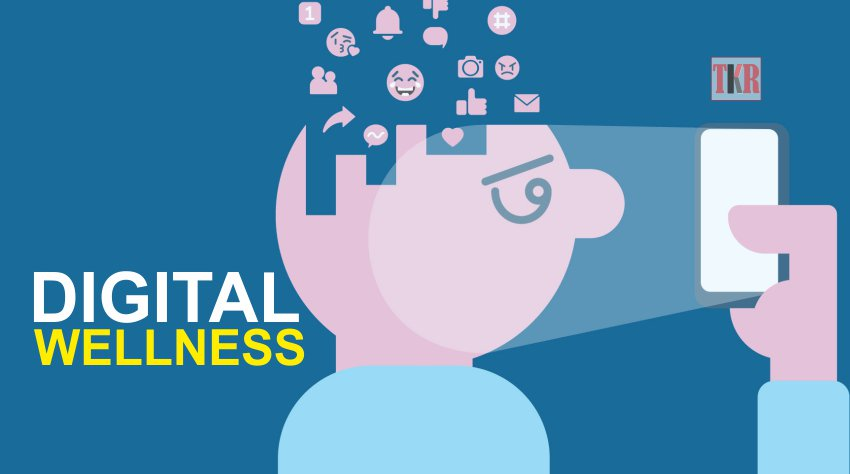
Digital wellness is the practice of managing your relationship with technology to promote physical, mental, and emotional well-being. It involves finding a healthy balance between using digital devices and engaging in offline activities. Digital wellness is not just about limiting screen time; it’s about being intentional with how, when, and why we use technology, ensuring that it enhances our lives rather than detracts from our overall health.
The rise of digital wellness is largely due to the growing awareness of the negative effects of technology overuse. Research has shown that excessive screen time can contribute to issues like eye strain, poor posture, sleep disturbances, and even anxiety and depression. By focusing on digital wellness, individuals can reclaim control over their digital habits and improve their overall quality of life.
The Impact of Technology on Our Health
While technology has undoubtedly brought numerous benefits, it’s also important to acknowledge the negative effects that can arise from excessive use. Let’s explore some of the ways that technology can impact our health:
1. Physical Health: Eye Strain and Poor Posture
Staring at screens for prolonged periods can lead to eye strain, headaches, and blurred vision. This condition, commonly known as digital eye strain, is caused by prolonged screen time, poor lighting, and poor posture. Additionally, many people spend hours hunched over their devices, which can result in back and neck pain.
2. Mental Health: Stress and Anxiety
Constant notifications, the pressure to stay connected, and the influence of social media can all contribute to increased stress and anxiety. Studies have found a link between excessive social media use and feelings of loneliness, inadequacy, and depression. The fear of missing out (FOMO) and the constant comparison to others can also take a toll on mental well-being.
3. Sleep Disruption: The Blue Light Effect
Blue light emitted by screens can interfere with sleep by disrupting melatonin production, a hormone that regulates sleep. Engaging with screens before bed can make it harder to fall asleep and lead to poor sleep quality. This disruption in sleep patterns can have far-reaching effects on mood, productivity, and overall health.
How to Improve Digital Wellness: Practical Tips
Now that we understand the impact of technology on our health, it’s time to explore ways to improve digital wellness. Here are several practical strategies that can help you maintain a healthier relationship with your devices:
1. Set Screen Time Limits
One of the easiest ways to practice digital wellness is by setting limits on screen time. Many smartphones and apps have built-in features that allow you to monitor and limit your usage. For example, iPhones have a “Screen Time” feature that tracks how much time you spend on various apps, while Android phones offer similar functionality under “Digital Wellbeing.”
Setting limits helps ensure that you’re not spending excessive time on your devices and encourages you to engage in other activities, such as exercise, reading, or spending time outdoors.
2. Take Regular Breaks: The 20-20-20 Rule
To reduce physical strain from prolonged screen use, practice the 20-20-20 rule. Every 20 minutes, take a 20-second break and look at something 20 feet away. This simple habit can help reduce eye strain and improve focus. Additionally, standing up and stretching every hour can alleviate the effects of poor posture and prevent back and neck pain.
3. Practice Digital Detox
A digital detox involves taking regular breaks from all digital devices, such as smartphones, tablets, and computers. This could mean going without your phone for a few hours a day or even committing to a weekend free from screens. Disconnecting from technology allows you to reset and focus on real-life experiences, relationships, and activities that nurture your well-being.
For example, some individuals take a “no-phone” day once a week, using the time to engage in hobbies, exercise, or simply relax without digital distractions. This practice can help reduce stress and increase mindfulness.
4. Engage in Mindful Technology Use
Instead of mindlessly scrolling through social media or binge-watching shows, try to be more mindful about how you use technology. Before you pick up your phone or open an app, ask yourself whether it will add value to your life. Is it helping you relax, learn, or connect meaningfully? If the answer is no, consider finding an alternative activity that better aligns with your goals.
Mindful technology use also includes being aware of how much time you’re spending on specific activities. For instance, if you notice that you’re spending too much time on social media or watching videos that leave you feeling drained, it might be time to reassess your habits.
5. Prioritize Face-to-Face Interactions
While technology enables us to stay connected virtually, it’s important to make time for in-person interactions as well. Real-life conversations and face-to-face interactions have a positive impact on mental health and can help reduce feelings of isolation.
Try setting aside time each week to meet with friends or family in person, or engage in activities that foster social connections, such as joining a club or attending events.
Real-Life Case Study: The Benefits of Digital Wellness
Meet Sarah, a 34-year-old professional who struggled with digital burnout. She was constantly glued to her phone, checking emails, scrolling through social media, and attending virtual meetings. Over time, Sarah noticed an increase in stress, anxiety, and physical discomfort, including headaches and neck pain.
After learning about digital wellness, Sarah decided to make some changes. She set screen time limits, followed the 20-20-20 rule, and began taking weekly digital detoxes. She also began engaging more in face-to-face activities, such as walking with friends and practicing mindfulness.
As a result, Sarah felt more balanced, less stressed, and experienced fewer physical ailments. Her work-life balance improved, and she felt more connected to the world around her. This real-life case study illustrates the profound impact of digital wellness on overall well-being.
Conclusion
Incorporating digital wellness into your life is essential in today’s technology-driven world. By being mindful of how we use technology, setting healthy boundaries, and prioritizing offline activities, we can reduce the negative effects of excessive screen time and improve our physical and mental health. The key is to create a balanced relationship with technology, one that enhances our lives rather than detracts from them.
So, take a step toward better digital wellness today — your mind and body will thank you!